When winter finally gives way to spring, more than 300 million people around the world celebrate the arrival of a new year. In Iran and across the Persian-speaking world, it is called Nowruz, meaning “new day.” For over 3,000 years, it has been a festival of renewal, family and hope, and it remains the most important celebration of the Iranian year.
In this guide, we look at the history of Nowruz, the meaning of the Haft-Seen table, the traditions that surround it and some meaningful Nowruz gift ideas.
What Is Nowruz?
Nowruz (also written Norooz or Nowrouz) is the Persian New Year. It begins at the exact moment of the spring (vernal) equinox, when day and night are equal in length, usually on March 20 or 21. Families gather around the Haft-Seen table and count down to the moment of the new year, called Saal Tahvil.
Its roots reach back to ancient Iran and Zoroastrian traditions. Persian legend credits the mythical king Jamshid with founding Nowruz, and at Persepolis, the reliefs of the Apadana Palace show delegations from across the Achaemenid Empire bringing gifts to the king, a scene often linked with the celebration of the new year.
Today Nowruz is celebrated in Iran, Afghanistan, Tajikistan, Azerbaijan, Kurdistan, Central Asia and by Iranian communities worldwide. It is inscribed on UNESCO’s list of the Intangible Cultural Heritage of Humanity, and the United Nations recognizes March 21 as International Day of Nowruz.
The Haft-Seen Table and Its Meaning
The heart of every Iranian home at Nowruz is the Haft-Seen (“seven S’s”), a table set with seven items whose Persian names begin with the letter sin (S). Each one carries a wish for the new year:
- Sabzeh (sprouted wheat or lentils): rebirth and growth
- Samanu (sweet wheat pudding): strength and abundance
- Senjed (dried oleaster fruit): love
- Sir (garlic): health
- Sib (apple): beauty
- Somaq (sumac): the color of sunrise and the victory of light
- Serkeh (vinegar): patience and wisdom that come with age
Many families add a mirror (reflection), candles (light), painted eggs (fertility), goldfish in a bowl (life), coins (prosperity), hyacinth (sonbol), and a book of poetry by Hafez or the Shahnameh, or a holy book.
Nowruz Traditions
Khaneh Tekani: spring cleaning
In the weeks before Nowruz, families clean their homes from top to bottom, a way of leaving the old year behind and welcoming the new one fresh.
Chaharshanbe Suri: the festival of fire
On the eve of the last Wednesday of the year, people light small bonfires and jump over them, singing “Zardi-ye man az to, sorkhi-ye to az man”: “My yellow (paleness) to you, your red (warmth) to me,” giving away illness and taking in strength.
Eid Didani and Eidi
During the first days of the new year, families visit one another, starting with the eldest. Elders give eidi, gifts of crisp new banknotes or presents, to the younger generation. Homes are filled with sweets, tea, fresh fruit and laughter.
Sizdah Bedar: nature day
On the thirteenth day of the new year, families spend the day outdoors with picnics in parks and the countryside. At the end of the day, the sabzeh from the Haft-Seen is released into running water, carrying away any bad luck, and young people tie blades of grass while making a wish.
Traditional Nowruz Foods
- Sabzi polo ba mahi: herbed rice with fish, the classic dinner on the eve of Nowruz
- Kuku sabzi: a fragrant herb frittata, symbolizing rebirth and greenery
- Reshteh polo: rice with noodles, said to help you “take hold of the reins” of your life in the new year
- Nowruz sweets: nan-e nokhodchi, baklava, koloocheh and more
Meaningful Nowruz Gift Ideas
Gift-giving is a cherished part of Nowruz. The best gifts are personal and connect the person to their heritage:
- A beautiful Haft-Seen set or hand-painted ceramics for the Nowruz table.
- A book of Persian poetry, such as Hafez, Rumi or Ferdowsi.
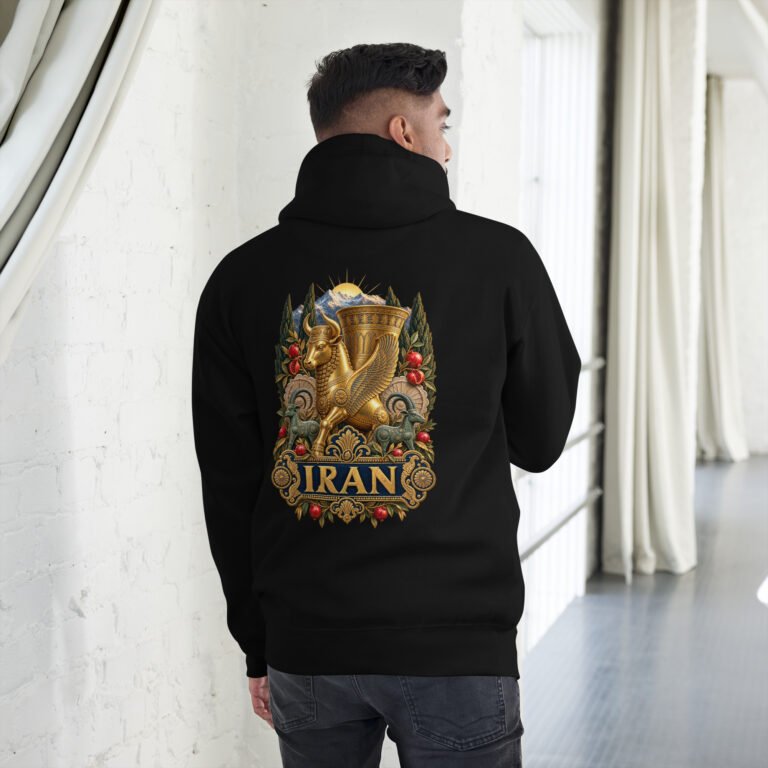
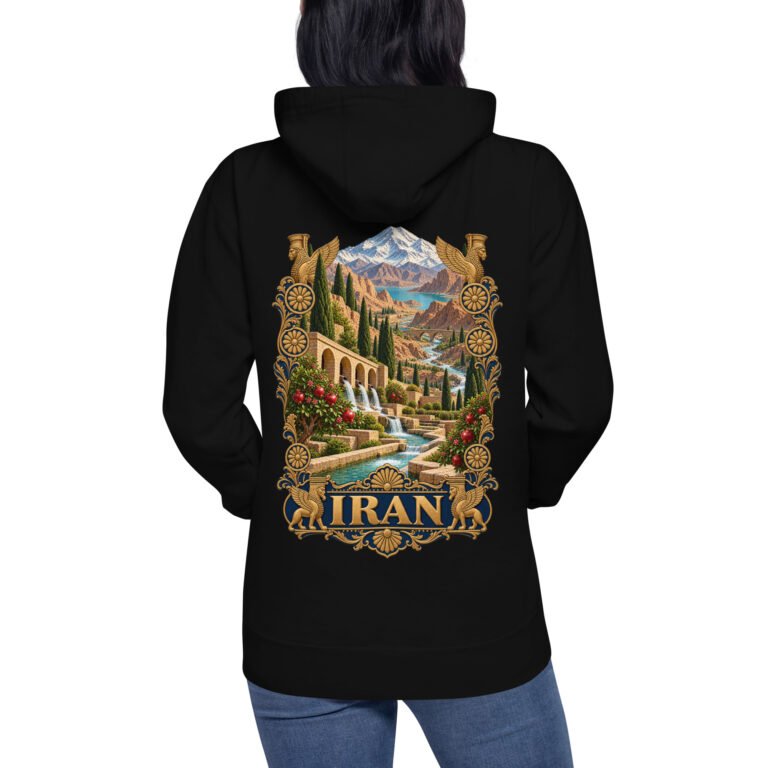
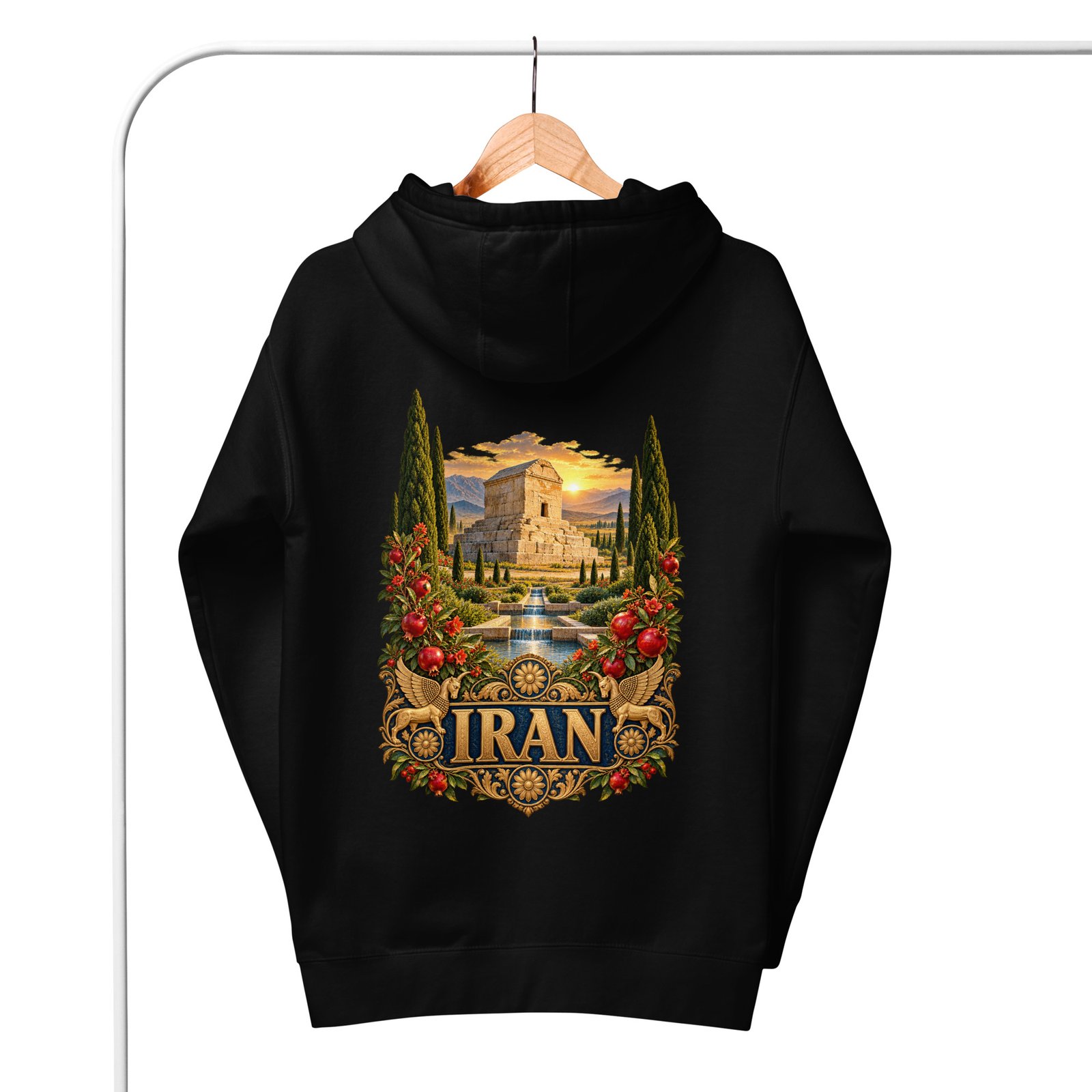
- Clothing that tells a story. Our Spirit of Iran Collection celebrates the symbols of Iran, from the Tomb of Cyrus at Pasargadae to the Gate of All Nations at Persepolis, where the ancient Nowruz gift-bearers once walked.
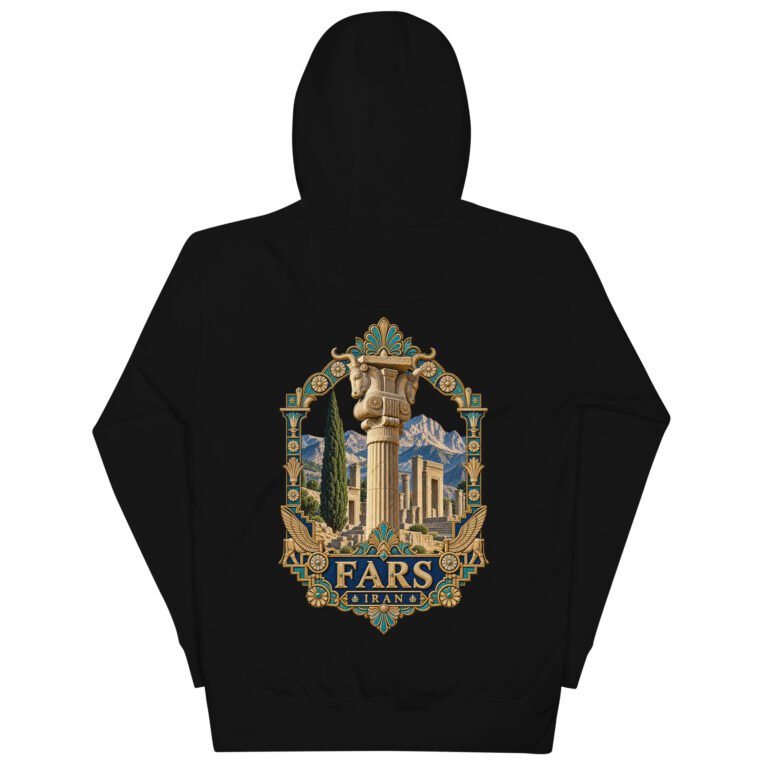
- A gift from home. Our Provinces of Iran Collection features a hoodie and t-shirt for each of Iran’s 31 provinces, a heartfelt gift for anyone who misses the city where they grew up.
- The Lion and Sun. Our Lion and Sun Collection honors Iran’s most beloved emblem. Read more in our guide to the history and meaning of the Lion and Sun.
Tip: every Arya Roots piece is printed to order, so place your Nowruz orders at least three to four weeks before March 20.
Frequently Asked Questions
When is Nowruz?
Nowruz begins at the moment of the spring equinox, usually on March 20 or 21. The exact time changes every year.
What does Nowruz mean?
Nowruz means “new day” in Persian. It marks the first day of spring and the start of the Iranian calendar year.
What are the seven items of the Haft-Seen?
Sabzeh, samanu, senjed, sir (garlic), sib (apple), somaq (sumac) and serkeh (vinegar).
How do you say Happy Nowruz in Persian?
The most common greeting is “Nowruz Mobarak” (Happy Nowruz). You can also say “Sal-e No Mobarak” (Happy New Year).
How long does Nowruz last?
The celebrations last thirteen days, ending with Sizdah Bedar, the nature day, on the thirteenth day of the new year.